September 28, 2026
An insurance claim after a collision depends on clear information about what happened to the vehicle and what work is needed to restore it. Photos from the scene may show the point of impact, but they rarely reveal the full condition of the body, frame, glass, safety technology, or mechanical components. Insurers need organized repair information before they can evaluate the claim. A collision shop helps turn physical damage into a documented repair plan.
That support extends beyond writing an initial estimate. An auto collision repair facility can record visible damage, explain repair procedures, communicate with the adjuster, and update the documentation when additional problems appear. The insurer still determines coverage according to the policy, but the shop provides technical findings that inform those decisions. This connection between the vehicle and the claim helps keep the process tied to the work the vehicle actually requires.
Begin With a Thorough Damage Assessment
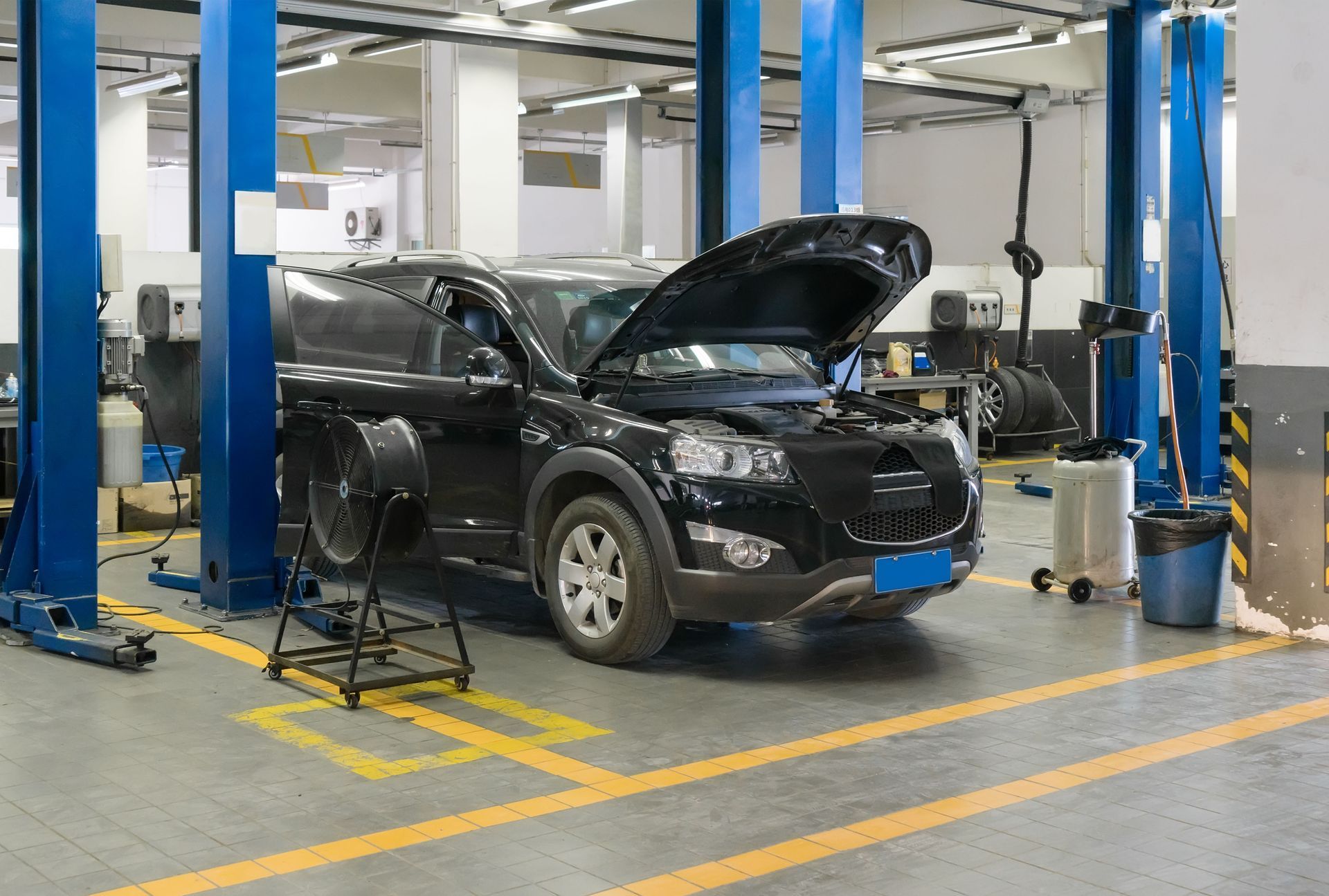
The first assessment establishes the starting point for both the repair and the claim. Technicians inspect exterior panels, glass, lights, wheels, and other areas connected to the impact. When the collision may have affected the vehicle's structure, measurements and frame evaluation can reveal changes that are not obvious from a visual check. Diagnostics may also identify warning lights or system faults that appeared after the accident.
A careful assessment helps the shop separate preexisting wear from collision-related damage. That distinction matters because claim documentation should connect requested procedures to the reported loss. The findings also help an auto collision repair facility organize the work in a logical sequence. When the initial record is specific, the adjuster has a clearer basis for reviewing the proposed repair.
Look Beyond the Most Obvious Damage
Collision damage does not always stop at the dent, cracked lamp, or scratched bumper visible from outside. Energy from an impact can travel into mounting points, supports, frame areas, sensors, and parts concealed behind exterior panels. Two vehicles with similar surface damage may therefore need different repairs. Inspection keeps the claim from relying only on appearances.
Rear-end crashes illustrate why a common type of accident still requires vehicle-specific evaluation. According to Amica Insurance, roughly 1.7 million rear-end collisions occur across the United States each year. Their frequency can make them seem predictable, but vehicle design, impact angle, and crash force affect the resulting damage. Documenting the actual condition of the vehicle is more reliable than assuming every rear impact produces the same repair needs.
Turn Technical Findings Into a Clear Estimate
An estimate translates inspection results into repair operations an insurer can review. It may identify damaged components, labor procedures, refinishing needs, structural work, glass replacement, diagnostics, or calibrations connected to the collision. Clear descriptions show how each operation relates to restoring the vehicle. This detail is more useful than a broad statement that a panel or system needs attention.
The estimate also creates a shared reference for the vehicle owner, shop, and adjuster. Each party can see the proposed scope and raise questions before repairs advance. An experienced auto collision repair provider can clarify why frame straightening, paint work, glass replacement, or another listed procedure is relevant to the documented damage. That explanation helps technical repair language make sense within the claim.
Communicate Directly With the Adjuster
Insurance adjusters often need photos, measurements, diagnostic information, and explanations of particular repair operations. A collision shop can organize those materials and respond to questions about the estimate. Direct communication reduces the need for the vehicle owner to interpret technical details or relay messages between parties. It also gives the adjuster access to the people who inspected the damage.
Productive communication does not mean that the shop decides what the policy covers. Instead, an auto collision repair business supports the review with accurate descriptions of vehicle condition and repair requirements. If the adjuster requests another image, measurement, or explanation, the shop can supply information from its records. This exchange keeps disagreements focused on specific procedures and documented damage rather than incomplete assumptions.
Update the Claim When More Damage Appears
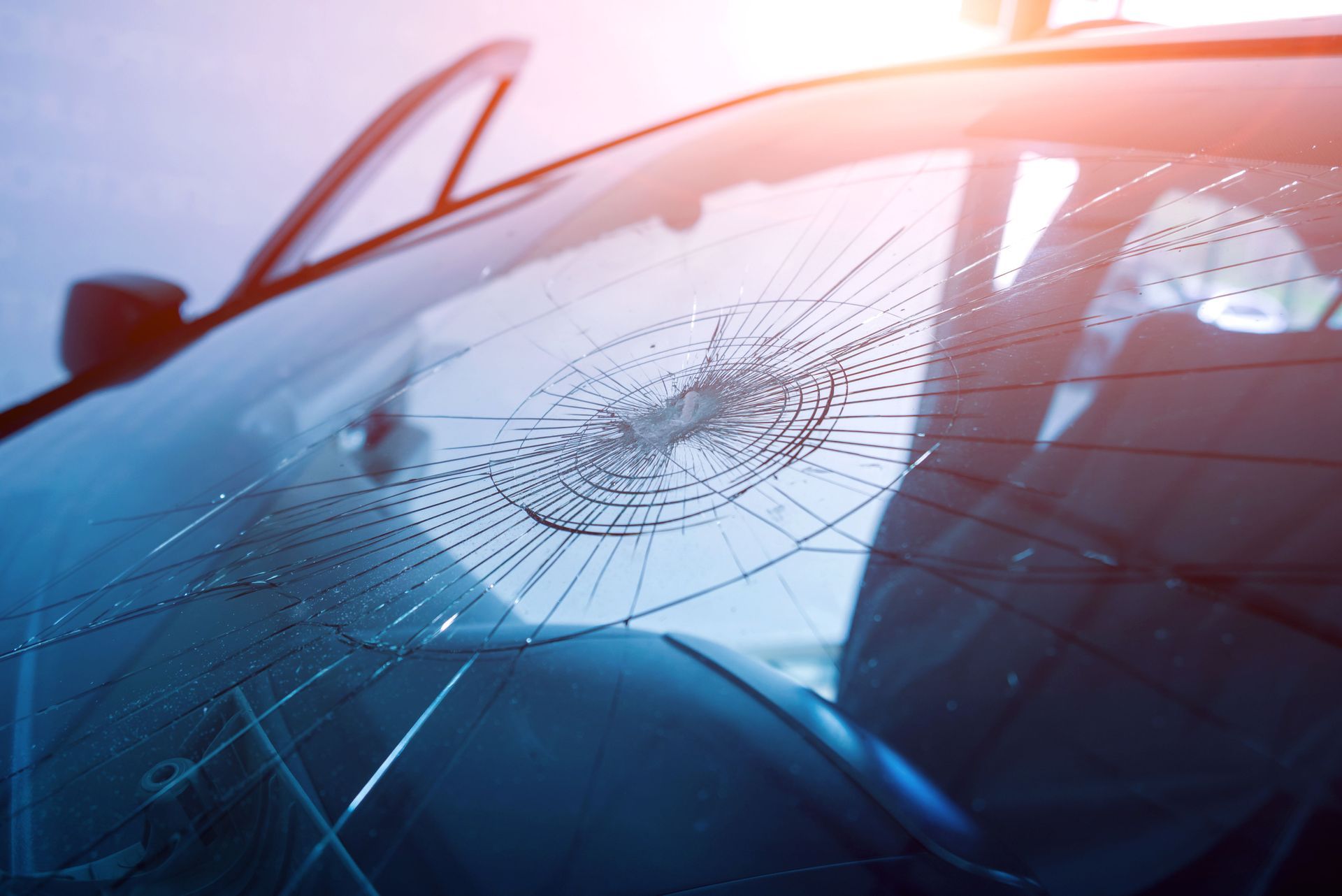
Some damage cannot be confirmed until technicians remove an affected panel or component. A bumper cover, interior trim piece, or damaged glass may conceal broken brackets, supports, wiring, sensors, or additional impact marks. When those conditions appear, the original estimate may no longer describe the full repair. The shop then needs to document the discovery before adding related work.
This update is commonly handled through a supplemental estimate. The auto collision repair facility records the newly exposed damage, explains the necessary procedure, and sends the revised information for insurance review. Photos and technician notes help show why the repair plan changed after the initial inspection. Following that process creates a traceable record rather than allowing new work to appear without explanation.
Coordinate Connected Collision Repairs
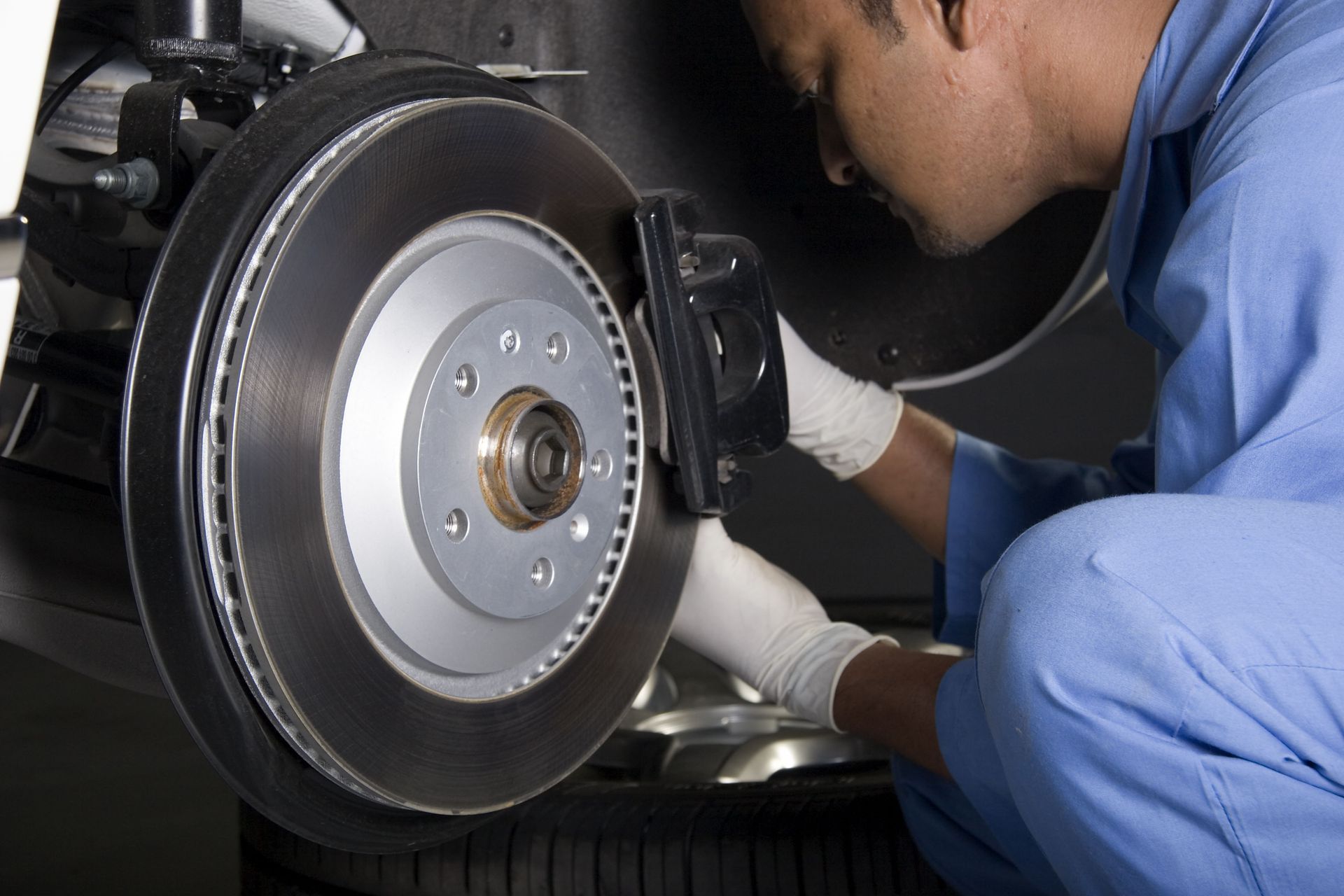
Modern collision work may involve several repair disciplines within the same vehicle. Body panels and structural areas can require attention alongside glass, paint, interior materials, mechanical components, or exhaust parts affected by the impact. Organizing these operations in the correct order prevents one procedure from interfering with another. Frame alignment, for example, may need to occur before exterior fit and refinishing can be completed accurately.
Advanced Driver Assistance Systems add another layer to that coordination. Cameras and sensors may require calibration after certain collision repairs or windshield replacements so supported safety functions operate correctly. Diagnostic checks can identify relevant faults, while calibration records show that the procedure was performed. Coordinated collision work connects these related tasks to one repair plan and one evolving claim record.
Ease Transportation and Scheduling Disruptions
A damaged vehicle may be unsafe or unable to travel from the accident scene. Towing support gives the claim and repair process a practical starting point by bringing the vehicle to a location where it can be assessed. Once it arrives, the shop can document its condition and begin preparing the estimate. This continuity reduces uncertainty about where the vehicle will be inspected.
Transportation needs may continue while the vehicle is being repaired. When rental arrangements are part of the claim process, shop assistance can help coordinate timing around inspection, authorization, and repair progress. The insurer determines what the policy includes, so availability and coverage can vary. Even within those limits, organized communication can help the owner understand when the vehicle enters repair and when completion is approaching.
Maintain a Record Through Completion
Claim support continues as the repair moves forward. Updated estimates, photographs, parts information, calibration records, and notes about completed procedures create a history of how the plan developed. That record helps connect the finished work to the damage found during inspection and disassembly. It can also answer later questions about why a documented procedure became necessary.
Before delivery, the shop can confirm that authorized repairs are complete and that repaired systems operate as intended. Panel fit, paint finish, glass, warning indicators, and calibrated safety features may require checks related to the work performed. Final documentation then closes the gap between the approved plan and the vehicle returned to the owner. Clear records make the claim easier to follow from the first assessment through completion.
A repair shop supports an insurance claim most effectively when its technical findings remain clear, current, and connected to the vehicle's actual condition. That steady record gives the owner, adjuster, and technicians a common understanding as the work progresses. At Lone Star Auto Service, we assist with estimates, damage documentation, adjuster communication, and the collision repairs identified during the process. Contact us to discuss how our auto collision repair services can support your claim and restore your vehicle.