July 2, 2026
Ensuring the optimal functioning of your vehicle's braking system is critical for safety. Despite regular maintenance, brakes can wear out or encounter issues that require immediate attention. Understanding the warning signs of failing brakes can prevent accidents and costly repairs. Recognizing these signs early can enhance not only the performance of your vehicle but also significantly improve road safety. Read here to learn about five crucial warning signs that indicate your brakes need immediate attention from a professional auto mechanic.
1. Unusual Noises When Braking
Understanding Common Brake Noises
Unusual noises when braking can often indicate potential issues with your vehicle's braking system. While some sounds might be common, such as a slight squeak due to moisture, consistent noises shouldn't be ignored. These sounds can range from squealing and screeching to grinding, each hinting at different underlying issues. Such noises are usually symptoms of brake pads that have worn down, metal hitting metal, or issues with the rotors. If recognized early, dealing with these problems can save you from more costly repairs down the line.
The Significance of Squealing or Screeching Sounds
When you hear persistent squealing or screeching sounds, it is usually an indication that your brake pads are wearing thin. Brake pads come with a wear indicator in the form of a metal strip. As the pads wear down, this strip makes contact with the rotor, creating the noise. Ignoring these sounds might lead to the metal part of the brake pad coming in direct contact with the rotor, which can cause serious damage. Addressing the issue promptly with an auto mechanic not only ensures safety but also prevents long-term damage to your braking system.
What Grinding Noises Mean
Grinding noises typically signify a more severe condition in your braking system. This usually occurs when the brake pad has worn away completely, leading to metal-on-metal contact. Such a situation can cause grooves in the brake rotors. This not only reduces the efficiency of your braking system but also incurs higher costs as the rotors may need to be replaced or resurfaced. Therefore, noticing a grinding sound should prompt immediate inspection and repair.
2. Vibration or Pulsation in the Brake Pedal
Causes of Brake Pedal Vibration
Experiencing vibrations or pulsations in your brake pedal is typically a sign of trouble. These sensations often stem from warped rotors, which can be a result of excessive heat and uneven wear. Another potential cause is misaligned braking components or improper installation. Additionally, foreign debris caught between the brake pad and rotor can also cause this problem. Rectifying these issues promptly ensures that your vehicle's braking performance remains optimal and reduces risk on the road.
Understanding Brake Rotor Issues
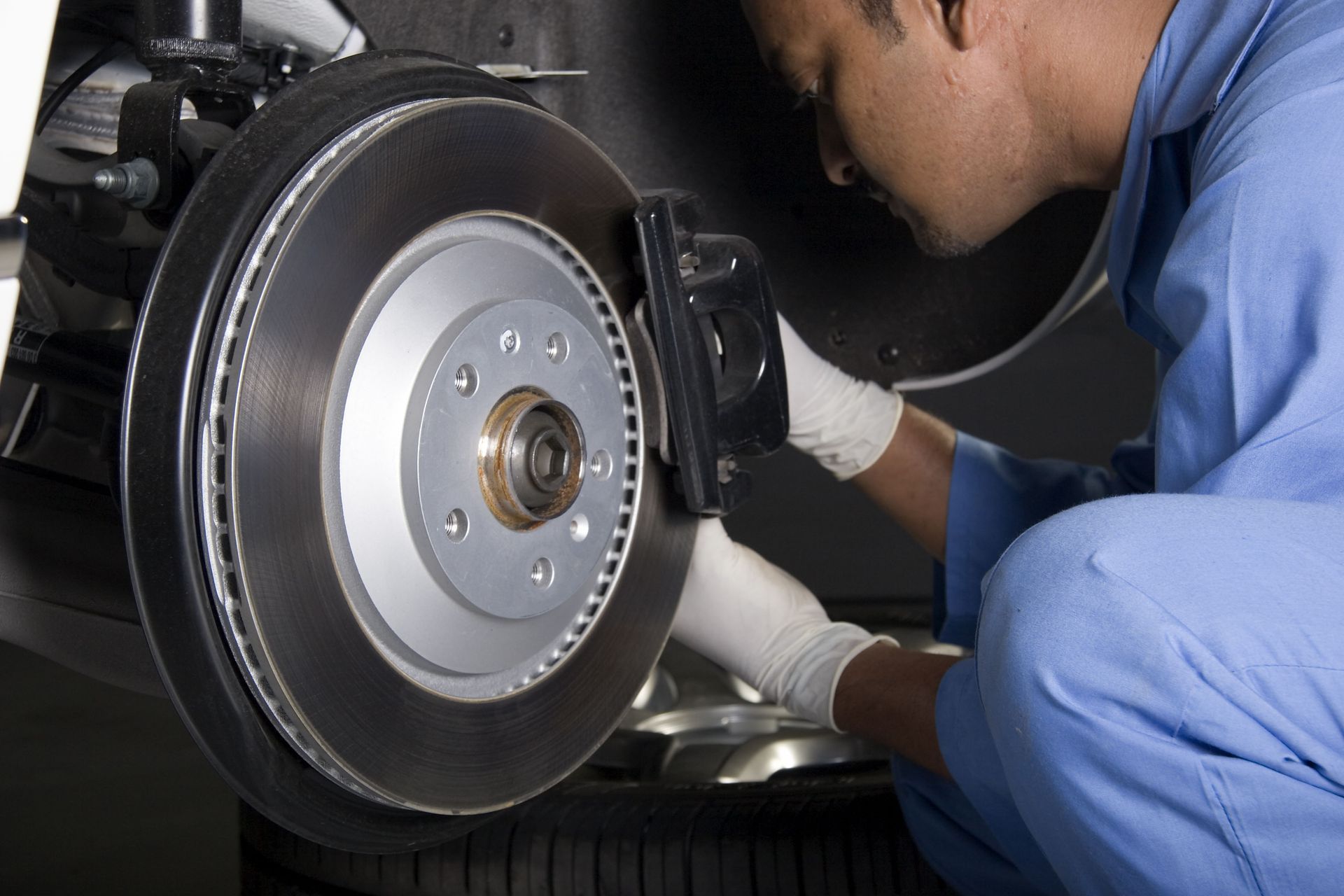
Brake rotors play a critical role in the braking system, and any irregularities in them can greatly affect braking efficiency. Warped rotors create uneven surfaces, leading to the brake pedal vibrating when pressed. Over time, even minor distortions can worsen, leading to decreased braking performance. It's essential to regularly inspect and maintain the rotors, resurfacing or replacing them when necessary. Such maintenance not only assures better braking efficiency but also enhances safety.
Dangers of Ignoring a Pulsating Pedal
Ignoring a pulsating brake pedal can lead to severe consequences while driving. It often indicates an imbalance or defect in the braking system, exacerbating over time and leading to longer stopping distances. In emergency scenarios, even a slight delay in braking response can increase the risk of a collision. Prolonged neglect can result in costlier repairs and affect overall vehicle integrity. Thus, addressing the issue as soon as vibrations are felt can prevent potential accidents.
3. Reduced Responsiveness or Fading
What Causes Brake Fade?
Brake fade is a phenomenon where the braking system becomes less effective over time or during prolonged use. It often occurs when the brakes overheat, typically due to prolonged or heavy braking. This overheating can lead to pad material breaking down and reducing friction, effectively causing the brakes to 'fade'. Such conditions are common in situations requiring constant braking, such as driving downhill. Over time, this can lead to a notable reduction in braking effectiveness, necessitating immediate attention.
Identifying the Onset of Responsiveness Issues
One can often identify brake responsiveness issues during regular driving. If the brakes feel 'spongy' or require more travel distance in the pedal, these can be indicative of problems in responsiveness. It is crucial to pay attention to these subtle changes as they can quickly develop into more severe conditions. Early identification and response can prevent the problem from worsening. According to Gitnux, 20% of auto repairs are due to neglect, emphasizing that regular monitoring can significantly reduce the need for unscheduled maintenance.
Professional Solutions for Unresponsive Brakes
Professional brake solutions from an auto mechanic start with a comprehensive diagnosis. Technicians will often check brake fluids, as air in the lines can contribute to a spongy pedal feel. Resurfacing or replacing rotors and pads can also restore optimal performance. In cases where the braking system is aged or highly compromised, a complete system overhaul may be recommended. Addressing these issues with expert help ensures thorough and effective repair, maintaining safety standards.
4. Warning Lights on Dashboard
Decoding Your Vehicle's Dashboard Signals
Dashboard signals can be likened to the language your car speaks when it needs attention. The brake warning light is typically red or orange and can represent a host of potential issues within the system. These signals are not just limited to telling you about maintenance schedules but can also illuminate to alert you to immediate issues like a drop in brake fluid levels. Understanding and responding to these dashboard alerts is crucial for maintaining vehicle safety. A lit warning light should motivate immediate inspection and potential service.
Common Brake-Related Warning Lights
Common brake-related warning lights include the ABS light, the generic brake light, and those like the traction control light, which may relate to braking performance. The ABS light indicates issues with the anti-lock braking system, essential for preventing wheel lockup during emergency braking. The brake light usually concerns low fluid levels or worn brake pads. Ignoring these lights can lead to the deterioration of brake performance or even complete brake failure. Proper interpretation of these signals can mean the difference between minor repairs and major system failures.
5. Leaking Fluid
Identifying Brake Fluid Leaks
Brake fluid leaks are a critical warning sign that your braking system requires immediate attention from an expert auto mechanic. Identification is straightforward if you notice puddles of fluid beneath your vehicle or diminished braking performance. Typically, brake fluid is clear to amber-colored, making it distinguishable from other automotive fluids. The sweet smell it emits can also aid in its identification. Detecting leaks early is vital as brake fluid is essential for maintaining hydraulic pressure within the braking system, necessary for effective stopping power.
Causes and Types of Brake Fluid Leakage
Brake fluid leakage can arise from numerous sources within the system. Common causes include worn seals in the master cylinder, deteriorated brake lines, or caliper issues. Aging components or damage due to road debris are typical contributors to such leaks. Depending on the severity and location of the leak, the braking effectiveness can range from reduced braking power to total system failure. Vigilance in monitoring system integrity plays a key role in vehicle safety, necessitating frequent checks, especially as vehicles age.
Ignoring the warning signs of brake issues can jeopardize your safety on the road. Regular maintenance checks and early attention to symptoms can help you avoid severe damage and risks while ensuring the longevity of your braking system. If you're in need of an experienced auto mechanic, get in touch with Lone Star Auto Service!