June 29, 2026
The golden age of the shade-tree mechanic is rapidly fading into history. There was a time when a passionate hobbyist with a robust set of hand tools, a service manual, and a bit of determination could handle almost any repair that rolled into the driveway. In those days, engines relied on purely mechanical systems, carburetors could be adjusted by ear, and electrical systems were limited to basic wiring harnesses, fuses, and headlights. If you understood the fundamental mechanics of internal combustion, you could fix a Ford, a Chevrolet, or a Toyota without needing radically different skill sets.
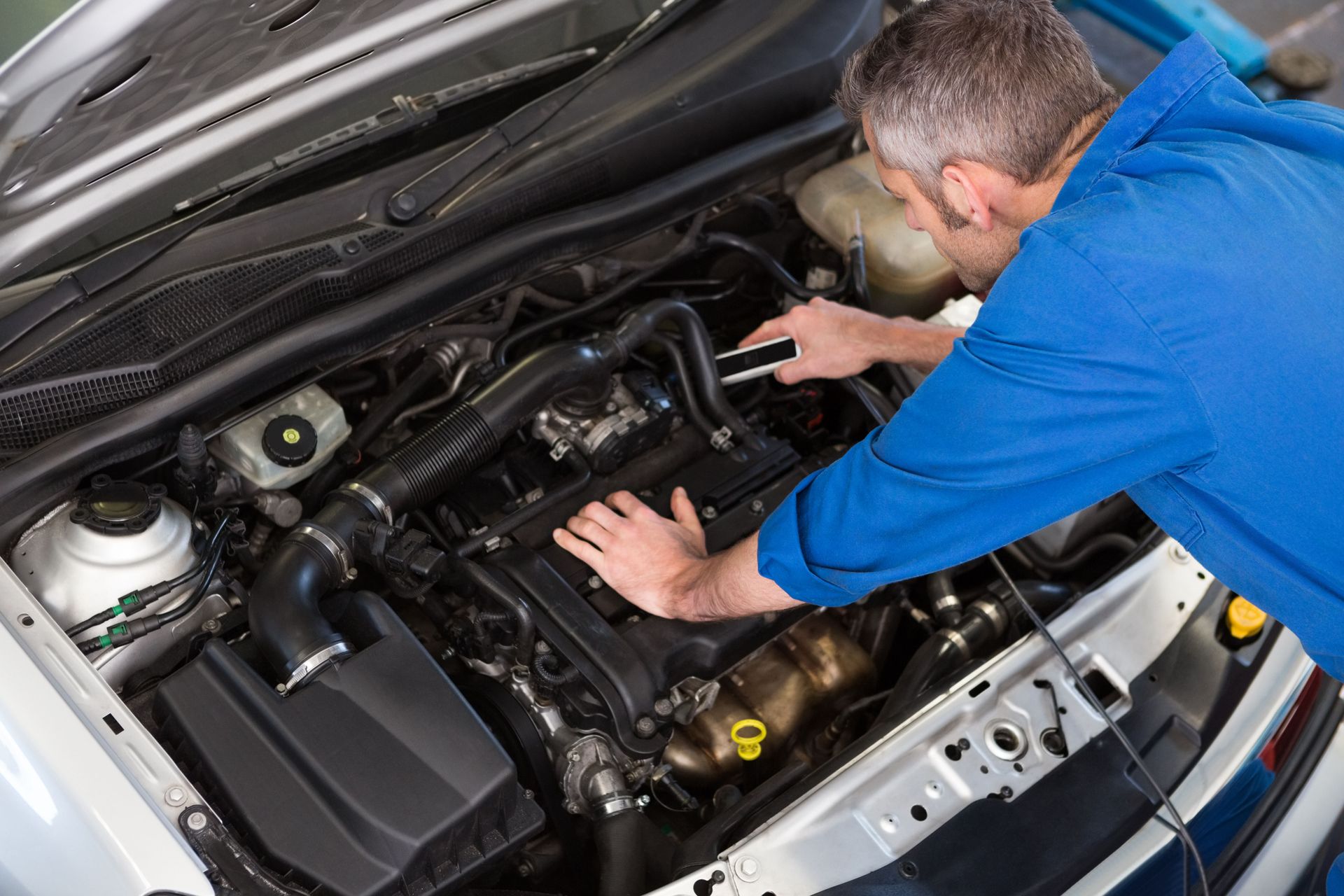
Today, the reality of vehicle maintenance has completely shifted. Modern cars are no longer just mechanical machines; they are rolling supercomputers wrapped in steel, aluminum, and carbon fiber. A single vehicle can contain dozens of interconnected microprocessors managing everything from variable valve timing to advanced driver-assistance systems (ADAS) like lane-keep assist and automatic emergency braking. Because each vehicle manufacturer develops proprietary technology, software networks, and specialized structural designs, a one-size-fits-all approach to vehicle repair is no longer viable.
To safely and effectively navigate this complex landscape, vehicle owners must prioritize working with professionals who carry verifiable, manufacturer-specific credentials. This is exactly why auto mechanics with multiple brand certifications have become the backbone of reliable automotive care. When an expert technician holds credentials across various automotive groups, they bridge the gap between generalized mechanical knowledge and specialized factory engineering. For consumers, choosing an auto shop staffed by these highly decorated professionals is the ultimate insurance policy for their vehicle’s longevity, safety, and performance.
Understanding the Hidden Depth of Factory Training
To truly appreciate the value of a multi-certified technician, it helps to understand what it actually takes to earn just a single manufacturer credential. Factory certification is not a casual weekend seminar or a simple open-book online quiz. It is a rigorous, multi-tiered educational pathway designed by the manufacturers themselves to ensure that auto mechanics understand the exact engineering nuances of their specific fleet.
When technicians pursue factory training, they must master a massive ecosystem of proprietary information. This training covers specialized diagnostic software that cannot be bought at a standard auto parts store, unique electrical architectures, complex engine management systems, and specialized tools engineered for specific vehicle lines.
Furthermore, these programs require ongoing education. Because automotive technology evolves at a breakneck pace, a certification earned three years ago can quickly become obsolete without regular update courses and recertification exams. When auto mechanics commit to maintaining these credentials across several distinct brand portfolios, they are dedicating hundreds of hours to mastering specialized automotive engineering.
Mastering the Nuances of Domestic Engineering Systems
One of the foundational pillars of multi-brand expertise involves mastering domestic automotive giants. This is where a credential like a GM Certified technician becomes incredibly valuable. General Motors utilizes highly specific engineering platforms across its brands, featuring complex powertrain technologies like Active Fuel Management, sophisticated electronic transmissions, and advanced electrical networks. A technician who has undergone the strict training required to be GM Certified understands these systems inside and out, allowing them to diagnose tricky engine or electrical faults that would completely baffle a general repairman.
However, a truly versatile professional doesn't stop with one domestic giant. By expanding their skill set to become FCA Certified (Fiat Chrysler Automotive), a technician gains comprehensive mastery over an entirely different ecosystem of vehicles. The FCA portfolio requires distinct diagnostic strategies, specialized factory tooling, and an intimate understanding of complex multi-displacement engine systems and intricate onboard infotainment platforms.
When auto mechanics possess both of these major domestic credentials, they can seamlessly pivot from diagnosing a sophisticated truck platform to troubleshooting a complex muscle car. This dual-domestic expertise ensures that domestic vehicle owners receive factory-level accuracy without having to rely on a single-brand dealership.
Deconstructing the Complexities of Asian Vehicle Technologies
As Asian automakers continue to dominate market share with highly reliable, technologically progressive vehicles, the demand for specialized technicians in this sector has skyrocketed. Consider the massive footprint of brands like Nissan and its luxury counterpart, Infiniti. A technician holding a Nissan Certified designation understands the unique engineering behind continuous variable transmissions (CVTs) and advanced variable valve systems. By pairing that with an Infiniti Certified credential, the technician elevates their skill set to manage high-end luxury platforms, intricate multi-camera safety systems, and complex active steering technologies that demand absolute precision.
The importance of working with professionals becomes even more evident when you look at the rapid rise of South Korean automotive engineering. Tech-forward brands like Hyundai and Kia have revolutionized the industry with cutting-edge electric architectures, advanced hybrid drivetrains, and complex digital cockpits. To safely service these vehicles, technicians must achieve Kia Certified and Hyundai Certified statuses.
These training programs prepare auto mechanics to safely work around high-voltage hybrid and electric vehicle (EV) batteries, diagnose intricate software glitches, and service sophisticated gasoline direct injection (GDI) engines. When auto mechanics hold this entire suite of Asian manufacturer credentials, they provide comprehensive, dealer-level service for a massive cross-section of the modern commuter market.
Servicing the Elite Standards of Luxury Platforms
The pinnacle of multi-certification value is realized when a technician steps into the ultra-premium luxury segment. Earning a Genesis Certified credential requires an entirely different level of technical sophistication and attention to detail. Luxury vehicles like those in the Genesis lineup feature incredibly sensitive air suspension systems, acoustic glass assemblies, complex multi-zone climate controls, and highly advanced semi-autonomous driving features.
Repairing these elite vehicles requires specialized training because even minor errors can compromise the car's luxury ride quality or fail to properly calibrate critical safety sensors. This is where the distinct importance of working with professionals truly shines; a luxury vehicle is a massive investment, and leaving its care to an uncertified generalist can lead to catastrophic component failures and thousands of dollars in unnecessary repairs.
When auto mechanics add luxury credentials to their resume alongside mainstream domestic and import certifications, they demonstrate a rare, elite level of diagnostic adaptability. They possess the delicate touch required for high-end luxury electronics as well as the heavy-duty mechanical knowledge needed for rugged trucks and SUVs.
Anticipating the Rapid Growth of the Repair Industry
The automotive service world is expanding rapidly, driven by the sheer volume of vehicles on the road and the increasing complexity of post-collision and mechanical repairs. According to IBISWorld, the car body shop industry in the United States is expected to experience growth over the next five years. This projected expansion directly highlights a growing challenge for vehicle owners: as the industry grows and more shops open, finding truly qualified, multi-certified professionals will become more critical than ever.
As the industry scales upward, cars are staying on the road longer, and their intricate, interconnected systems mean that mechanical repairs and post-collision structural work must be handled with identical precision. For example, if a car is involved in a minor fender bender, it doesn't just need new sheet metal; it requires a technician who knows how to recalibrate the radar sensors behind the bumper according to factory specifications.
Whether a vehicle requires intricate engine diagnostics or precise structural sensor alignment, auto mechanics who hold multiple factory credentials are the only professionals fully equipped to handle this wave of advanced automotive technology. Choosing a multi-certified shop ensures that your vehicle is prepared for the future, maintaining its safety ratings and resale value in an increasingly complex market.
By actively choosing auto mechanics who have gone the extra mile to secure credentials like GM Certified, FCA Certified, Nissan Certified, Infiniti Certified, Kia Certified, Hyundai Certified, and Genesis Certified, you gain total peace of mind. You rest easy knowing that the people working under your hood aren't guessing—they are executing precise, factory-approved repair procedures using the exact tools and data designed for your vehicle.
At Lone Star Auto Service, we believe that every vehicle on the road deserves this elite level of specialized care. Our team of highly trained, multi-certified auto mechanics is fully equipped with the factory diagnostic tools and specialized training required to keep your car running precisely the way the manufacturer intended. Don't leave your safety or your vehicle's longevity to chance. Bring your vehicle to the proven professionals at Lone Star Auto Service today, and let us show you the incredible difference that true, multi-brand factory expertise makes for your peace of mind.