May 26, 2026
After a collision, vehicle owners often find themselves navigating uncertainty about repairs, timelines, and what level of restoration is realistically achievable. Modern repair expectations have evolved significantly, with greater emphasis on structural accuracy, finish quality, and process transparency than in past decades. For drivers, understanding how professional services operate today helps set clear expectations and reduces stress during an already disruptive experience.
The field of auto body repair has become more standardized in many respects, with shops following detailed procedures for assessing damage, documenting repairs, and ensuring vehicles meet safety and appearance standards before being returned to the road. This consistency benefits both technicians and customers, creating a more predictable and reliable repair experience.
Understanding the Modern Collision Repair Process
Initial Assessment and Damage Evaluation
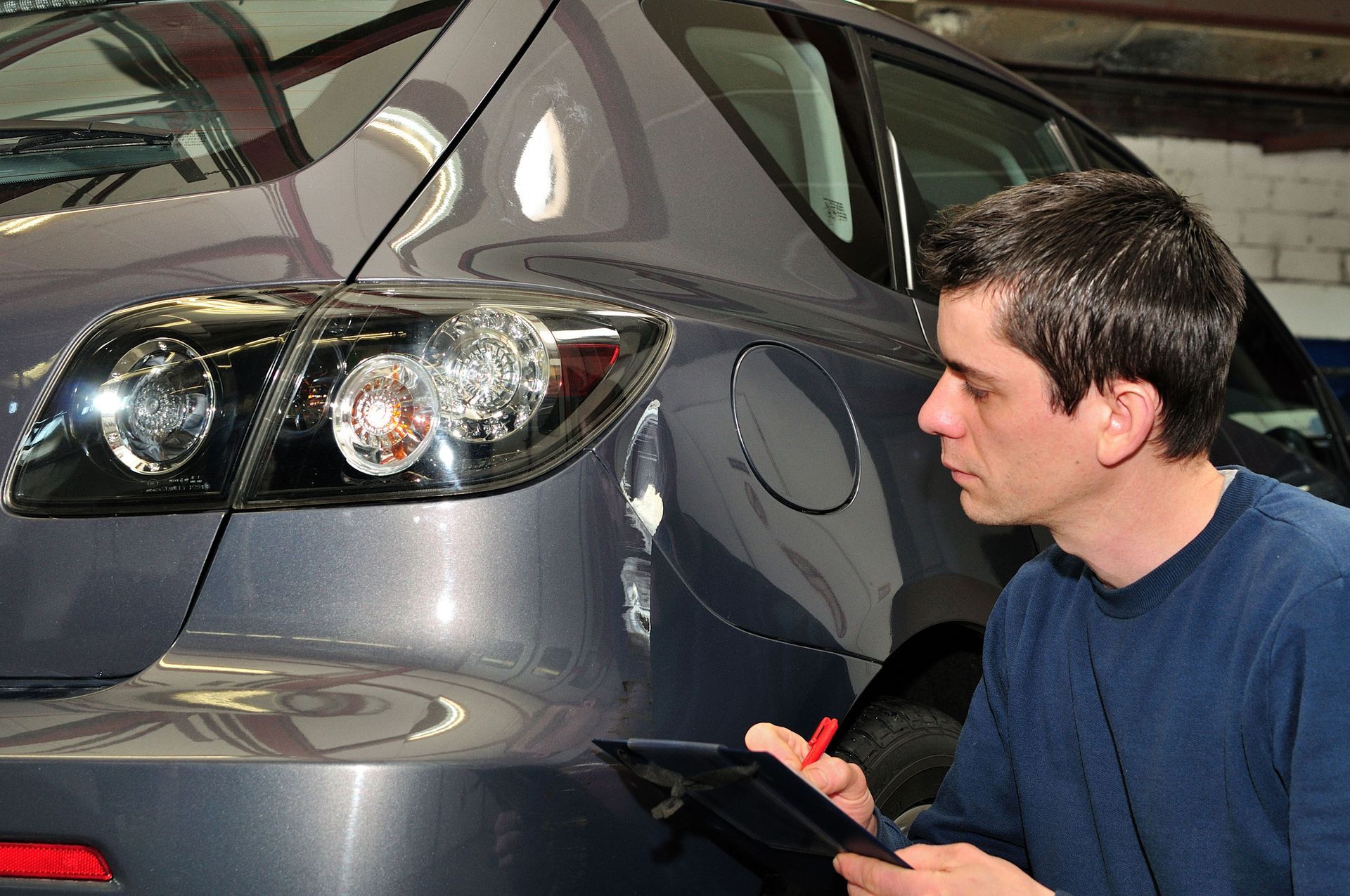
The first step in professional auto collision repair is a comprehensive evaluation of visible and hidden damage. This stage determines the scope of work required and establishes the foundation for all subsequent repairs. Technicians carefully inspect exterior panels, internal structures, and safety-related components to ensure nothing is overlooked.
During this phase, measurements and diagnostic evaluations are used to identify misalignment or structural inconsistencies that may not be immediately visible. Even seemingly minor collisions can result in underlying issues that affect drivability or long-term durability if not properly addressed.
Customers typically receive a detailed explanation of findings, including recommended repair steps and estimated timelines. This transparency helps set expectations early and reduces uncertainty throughout the process.
Structural Realignment and Frame Restoration
Once damage has been assessed, structural correction becomes a priority when needed. In more serious collisions, the vehicle's frame may be affected, requiring precise realignment to restore factory specifications.
This stage of auto body repair is critical for ensuring vehicle safety, as structural integrity directly impacts crash performance and handling. Technicians use specialized measurement systems to guide corrections and confirm alignment accuracy throughout the process.
Even minor deviations in frame geometry can affect tire wear, steering response, and long-term performance. As a result, careful attention is given to restoring exact tolerances rather than approximate fixes.
Parts Coordination and Repair Planning
After structural concerns are addressed, repair planning moves into parts coordination and scheduling. Replacement components may be required depending on the extent of damage, and sourcing compatible parts is a key step in maintaining repair quality.
Technicians align repair timelines with parts availability to minimize delays while ensuring proper fit and finish. In many cases, original-equipment or equivalent-quality components are prioritized to maintain consistency with manufacturer standards.
This stage also includes sequencing the repair workflow so that tasks such as painting, panel replacement, and interior restoration occur in the correct order. Proper planning reduces inefficiencies and helps maintain steady progress through the repair process.
Identifying Quality Standards and Industry Expectations in 2026
Evolving Customer Expectations and Service Consistency
Today's customers expect a higher level of consistency and professionalism when seeking auto body repair, particularly following an accident. Clear communication, predictable timelines, and accurate workmanship are no longer optional but expected components of the service experience.
Repair facilities are increasingly judged not only on technical outcomes but also on how well they manage customer interaction throughout the process. This includes explaining repair stages in understandable terms and providing updates when necessary.
As vehicles become more complex in construction and materials, the need for skilled labor and structured repair procedures has become more important than ever. Customers rely on professional guidance to understand what is required to return their vehicles to safe operating condition.
Industry Growth and Market Demand Context
The broader collision repair sector continues to represent a significant portion of the automotive services economy. According to IBISWorld, the car body shop industry in the United States is projected to reach a market size of approximately $76.9 billion in 2026, reflecting steady demand for collision-related services across the country.
This level of market activity demonstrates the ongoing need for auto body repair services, driven by traffic volume, accident frequency, and vehicle ownership rates. It also highlights the importance of maintaining skilled technicians and well-equipped facilities capable of handling a wide range of repair scenarios.
As demand remains strong, repair providers are expected to maintain consistent quality standards while managing increasing workflow complexity. This balance between efficiency and precision defines much of the modern collision repair landscape.
Safety Verification and Post-Repair Inspection
Once physical repairs are completed, vehicles undergo thorough inspection procedures to confirm that all systems function correctly and that structural integrity has been fully restored. This step ensures that no issues remain that could compromise safety or performance.
Post-repair evaluation of the bodywork is just as important as the repair work itself. Technicians verify alignment, panel fit, paint consistency, and operational safety before approving a vehicle for return to the owner.
This stage helps ensure that vehicles meet expected standards and reduces the likelihood of unresolved issues after delivery. It also reinforces accountability within the repair process, as each completed job must pass final quality checks before completion.
Explaining Repair Techniques and Restoration Methods Used Today
Paint Restoration and Surface Refinishing
Cosmetic restoration is one of the most visible aspects of auto body repair, and it plays a major role in returning a vehicle to its prior condition. Surface preparation is essential to achieving a consistent and durable finish.
Technicians carefully prepare panels by smoothing imperfections, correcting dents, and ensuring surfaces are properly conditioned before refinishing begins. This attention to preparation directly impacts the quality of the final appearance.
Color matching is also a critical step, as modern vehicles often feature complex paint formulations that require precision to replicate. The goal is to ensure repaired areas blend seamlessly with the rest of the vehicle.
Dent Removal and Panel Correction
Not all damage requires full part replacement. In many cases, dent removal techniques allow technicians to restore panels without compromising original materials.
This form of auto body repair focuses on reshaping metal surfaces while preserving structural integrity whenever possible. Careful manipulation of panels helps restore appearance while minimizing unnecessary replacement costs.
When performed correctly, dent correction maintains the original character of the vehicle while eliminating visible damage. This approach supports both aesthetic and functional restoration goals.
Glass and Interior Restoration Work
Collision damage often extends beyond exterior panels, affecting glass components and interior structures. Repairing or replacing damaged windows and restoring interior elements are important parts of the overall repair process.
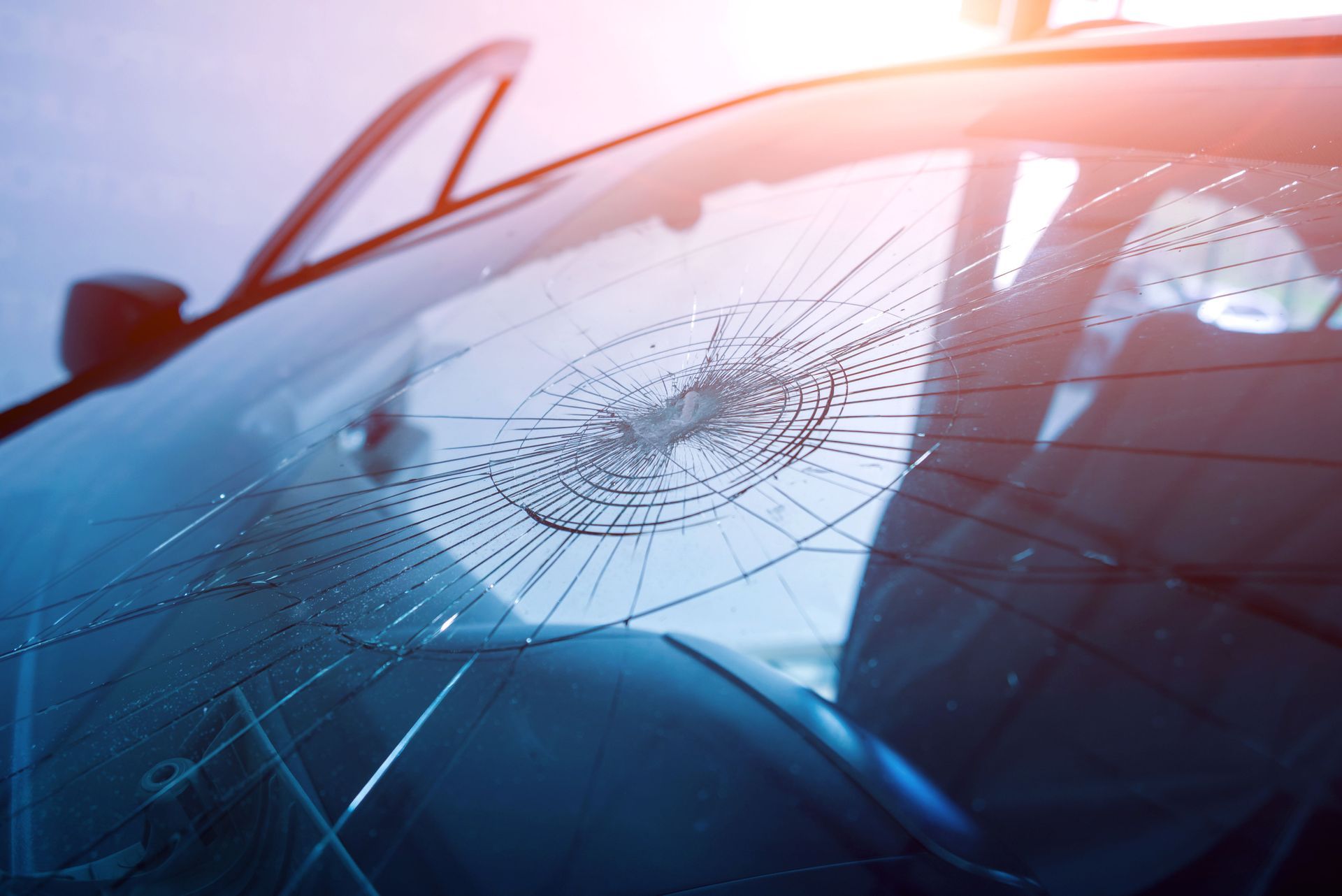
Cracked or shattered glass must be addressed promptly to ensure safety and restore visibility. Interior repairs may include restoring trim, seating components, or structural elements impacted during a collision.
These tasks are integrated into collision repair workflows to ensure that all aspects of the vehicle are returned to proper condition, not just exterior appearance.
Professional collision services continue to evolve in response to growing expectations around quality, transparency, and reliability. Vehicle owners today expect more than basic repairs; they expect a structured process that restores both safety and appearance with precision and care.
The ongoing demand for auto body repair reflects the essential role these services play in keeping vehicles safe and functional after accidents. As standards continue to rise, the focus remains on delivering consistent results that meet both technical requirements and customer expectations. For more expert information on comprehensive auto body repair, reach out to Lone Star Auto Service today!